CN
CNPhone:
19951065399
WHAT ARE YOU LOOKING FOR?
In industrial painting, achieving a high-quality finish depends on much more than the spray equipment itself. Before paint is applied, every workpiece must be prepared, positioned, moved into the booth, and transferred through each stage of the coating process. When material handling becomes inefficient, the entire production workflow can slow down, even if the spray booth is operating at full capacity.
This is where a paint booth rail system becomes valuable. By providing a controlled path for workpiece movement, rail systems help manufacturers reduce unnecessary handling, maintain a more organized workflow, and create better conditions for consistent coating results. Instead of relying heavily on manual transportation, operators can move components through the painting process with greater stability and predictability.
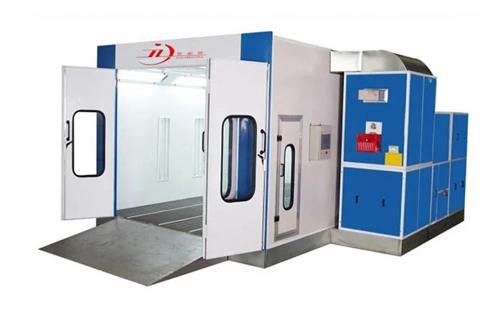
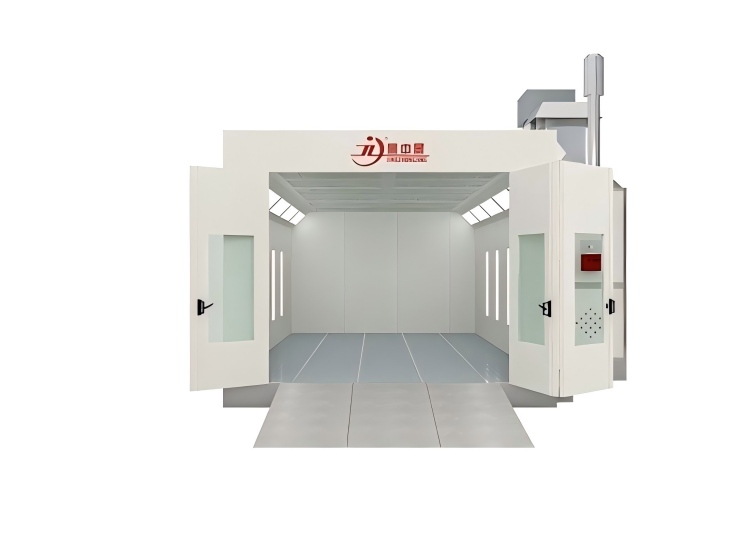
For companies researching a commercial spray booth for sale, the focus should not only be on booth dimensions or ventilation performance. The way materials move through the painting area is equally important because it directly affects productivity, labor requirements, and long-term operating efficiency. JSJZJ Spray Booth develops spray booth solutions designed around different industrial painting requirements, helping customers build more practical and efficient coating environments.
Many production managers initially look at spray quality, airflow, and filtration when evaluating a painting system. However, material movement often determines whether the entire operation runs smoothly. A workpiece that arrives too early, too late, or in the wrong position can interrupt the spraying process and create unnecessary downtime.
In facilities where operators manually move large or heavy components between preparation areas and spray booths, handling time can become a hidden production limitation. Repeated lifting, repositioning, and alignment adjustments not only consume labor resources but may also introduce variations during the coating process.
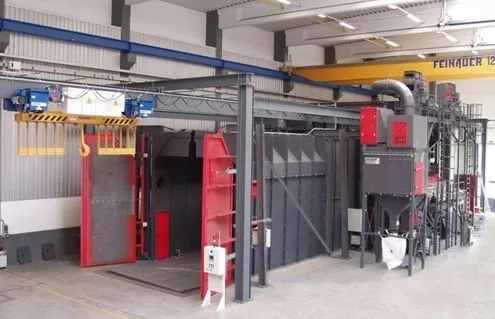
A well-planned paint booth rail system addresses these challenges by creating a defined transportation route for workpieces. Components can move through the spray area according to a planned workflow, allowing operators to focus on surface preparation, coating application, and quality inspection rather than spending excessive time on transportation tasks.
Efficient material handling also improves the relationship between different production stages. Preparation, painting, drying, and inspection can be connected more effectively when workpieces follow a predictable movement path. This is especially important for manufacturers handling repeated coating operations where consistency and production timing directly influence profitability.
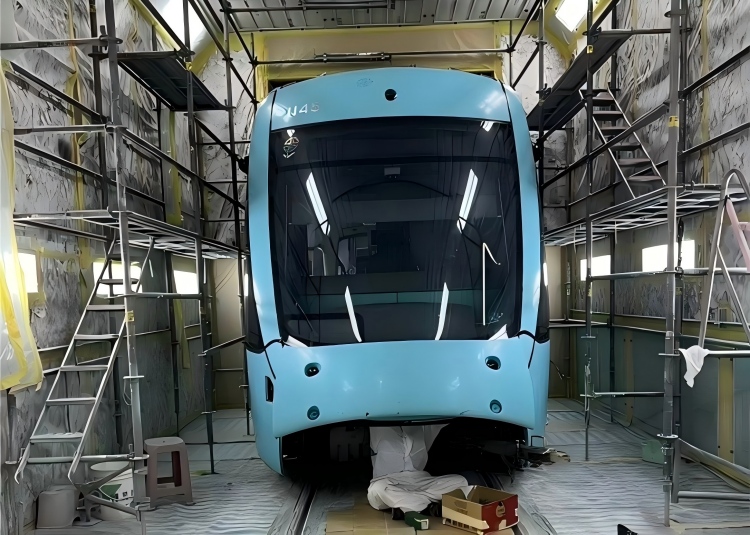
The main advantage of a paint booth rail system is not simply moving products from one location to another. Its real value comes from creating a more controlled and organized production flow.
In a traditional manual handling process, operators may need to repeatedly adjust workpiece positions before spraying. These small delays can accumulate throughout the day, especially in facilities processing multiple components. A rail-based movement system reduces these interruptions by allowing workpieces to follow a consistent route through the spray booth.
For example, when painting automotive components, metal structures, or industrial equipment parts, stable movement helps maintain the correct working distance between the spray equipment and the surface. This creates a more repeatable painting process and reduces the impact of positioning differences between individual workpieces.
The integration of a rail system should also match the overall spray booth layout. A suitable configuration considers loading areas, operator access, spraying zones, and maintenance requirements. When the movement path is planned correctly, the spray booth becomes part of a complete production system rather than an isolated piece of equipment.
Businesses comparing a commercial spray booth for sale should therefore evaluate not only the booth structure but also how easily it can support their existing workflow. A solution that matches production requirements can provide greater value over the equipment’s service life.
JSJZJ Spray Booth provides various spray booth configurations for different industrial applications. Companies can review available spray booth solutions to understand how different designs can support specific production layouts and coating requirements.
Not every production environment requires the same rail configuration. The performance of a paint booth rail system depends on how well its design matches the actual operating conditions of the spray facility.
One important consideration is load capacity. The rail structure must safely support the weight of the workpiece while maintaining smooth movement during operation. Components used in heavy equipment painting may require a different design approach compared with smaller industrial parts.
The available installation space also influences system performance. The rail path needs to work naturally with the spray booth layout, leaving enough room for operators, spraying equipment, and routine maintenance activities. Poor planning may create unnecessary movement restrictions or make future maintenance more difficult.
Movement stability is another critical factor. A reliable system should allow workpieces to travel smoothly without excessive vibration or unwanted shifting. Stable transportation helps maintain consistent spraying conditions and supports better finishing results.
When selecting a commercial spray booth for sale, companies should consider these engineering details because they influence daily operation long after installation is complete. A properly designed system can reduce workflow interruptions and provide more dependable performance over time.
Coating quality is closely connected with how consistently a workpiece moves through the spray area. Even when the same paint, equipment, and operator techniques are used, unstable positioning or irregular movement can affect the final surface appearance.
A paint booth rail system helps create a more controlled relationship between the workpiece and the spraying equipment. When components move through the booth along a stable path, operators can maintain more consistent spray distances and application patterns. This reduces variations caused by frequent repositioning or manual adjustments.
This advantage becomes particularly important in production environments where the same type of component is painted repeatedly. Consistent movement allows manufacturers to establish more predictable coating processes, making it easier to maintain quality standards across different production cycles.
| Material Handling Approach | Workflow Characteristics | Effect on Painting Operations |
|---|---|---|
| Manual Workpiece Handling | Requires operators to move and reposition components throughout the process | May increase handling time and create greater variation between coating tasks |
| Paint Booth Rail System | Provides a planned movement route with controlled positioning | Supports smoother workflow and more consistent coating conditions |
| Integrated Conveyor-Based System | Designed for continuous and high-volume production environments | Helps improve production efficiency when processing large quantities of similar products |
The right material movement solution depends on production goals, workpiece characteristics, and operational requirements. For many industrial applications, combining a suitable spray booth with an effective paint booth rail system creates a more balanced approach between productivity and coating quality.
A paint booth rail system can support many industrial painting environments where workpieces require reliable movement and accurate positioning. The system is especially useful when products are too large, heavy, or frequently processed to rely on manual transportation alone.
In automotive component production, rail systems help maintain a steady workflow when multiple parts need repeated coating operations. For metal fabrication companies, they provide a practical way to move structures through different painting stages while reducing unnecessary handling.
Manufacturers producing construction equipment, machinery parts, and other large industrial products can also benefit from controlled material movement. These applications often involve heavier components that require stable support during surface preparation and coating.
When companies search for a commercial spray booth for sale, they are often looking for more than a standalone booth. They need a complete solution that fits their production process. Considering material movement, operator workflow, and future production requirements can help create a more efficient painting environment.
Even a well-designed paint booth rail system requires proper maintenance to maintain smooth operation. Over time, paint residue, dust, and repeated mechanical movement can affect system performance if they are not addressed regularly.
Routine inspections should focus on movement components, rail alignment, and areas where material buildup may occur. Keeping the system clean helps prevent unnecessary resistance during operation and reduces the possibility of unexpected interruptions.
Operators should also pay attention to changes in movement performance. Unusual noise, uneven travel, or increased resistance may indicate that certain components require adjustment or inspection. Identifying these issues early can help avoid larger production problems.
For companies investing in a commercial spray booth for sale, long-term operating costs should include maintenance planning. A spray booth system that is properly maintained can provide more stable performance and better return on investment throughout its service life.
Because every painting operation has different requirements regarding product size, production volume, and workflow design, selecting the right configuration often requires professional evaluation. JSJZJ Spray Booth provides technical guidance based on specific application needs through direct consultation with their technical specialists.
In modern industrial painting operations, efficiency depends not only on spraying technology but also on how effectively workpieces move through the production process. A paint booth rail system provides a structured approach to material handling by improving movement control, reducing unnecessary manual handling, and supporting more consistent coating conditions.
For companies considering a commercial spray booth for sale, evaluating the complete workflow is just as important as comparing booth specifications. The combination of an appropriate spray booth design and a suitable material handling system can help manufacturers create a safer, more organized, and more productive painting environment.
With experience in spray booth solutions and industrial painting applications, JSJZJ Spray Booth continues to support customers looking for practical equipment configurations that match their production goals.
A paint booth rail system provides a controlled path for moving workpieces through spray operations. It helps organize production flow and reduces the need for repeated manual handling.
By creating a smoother movement process, a rail system reduces handling delays, improves workflow organization, and allows operators to focus more on coating tasks.
Yes. Rail configurations can be designed according to workpiece size, weight, production requirements, and available installation space.
Buyers should consider booth size, airflow performance, filtration requirements, production needs, and whether the system supports efficient material movement.
Yes. Cleaning, alignment checks, and inspection of moving components help maintain reliable operation and extend system service life.
Material handling affects production speed, coating consistency, labor requirements, and overall operating efficiency. A suitable movement system helps maximize the value of the spray booth investment.