 CN
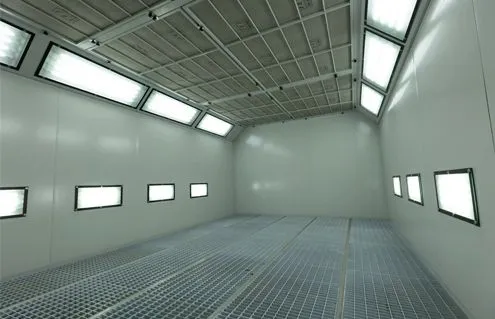
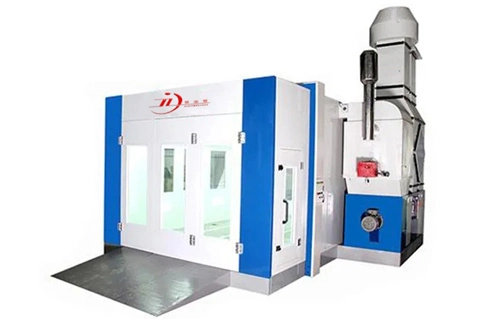
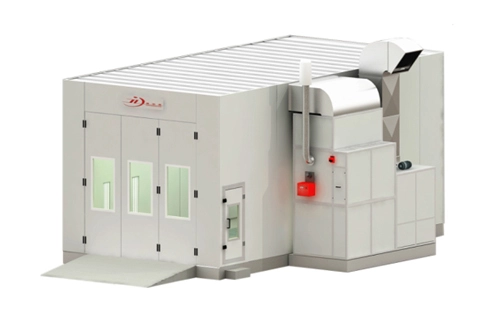
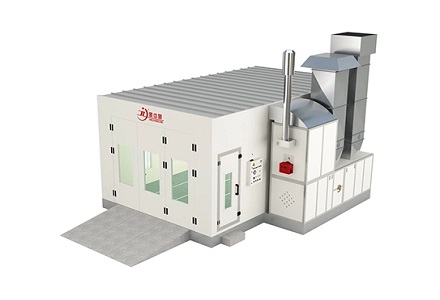
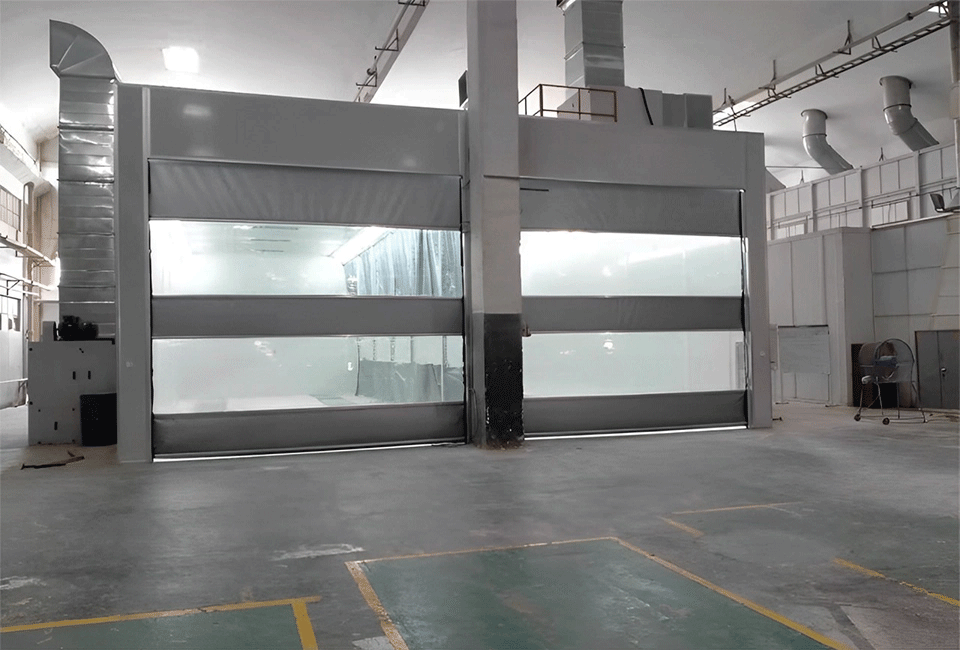
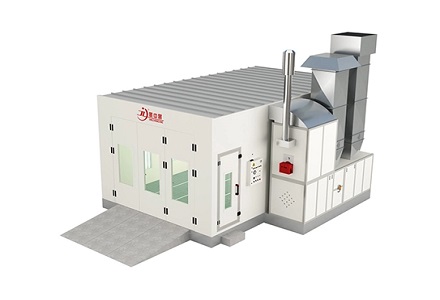
CNA woodworking paint booth is a critical tool in ensuring that wood pieces—whether for furniture, cabinetry, or other woodworking projects—receive a high-quality finish. These booths are designed to provide a controlled environment for painting, reducing the risk of contamination and ensuring a smooth, professional result. Below are some essential tips and considerations for effectively using a woodworking paint booth.
Preparing the Wood for Painting
Before starting the painting process in the woodworking paint booth, proper preparation of the wood surface is essential for achieving optimal results. Sanding and cleaning the wood help eliminate any imperfections, dust, or grease that could interfere with the paint's adhesion. Use a high-quality sanding tool and ensure that all areas of the wood are uniformly smooth. After sanding, thoroughly clean the surface using a lint-free cloth and an appropriate solvent to remove any dust or debris.
Adjusting Booth Settings for Optimal Conditions
The woodworking paint booth is designed to create the best possible environment for painting, but it's important to adjust the settings for your specific project. Key factors to consider include temperature, humidity, and airflow:
| Factor | Ideal Setting |
|---|---|
| Temperature | 65-75°F (18-24°C) |
| Humidity | 40-60% |
| Airflow | Medium to high velocity |
Adjusting the temperature and humidity levels ensures faster drying and prevents issues like paint runs or bubbles. Airflow is critical for removing fumes and ensuring a dust-free environment, which is vital for achieving a flawless finish.
Proper Ventilation and Safety Measures
When using a woodworking paint booth, safety should always be a top priority. Both the woodworking paint booth and aircraft paint booth require an effective ventilation system to exhaust fumes, paint particles, and chemicals safely outside the workspace. Make sure the exhaust fans are functioning properly and that there is adequate airflow. Additionally, always wear protective gear such as a respirator mask, gloves, and safety goggles to avoid inhaling harmful fumes or coming into contact with chemicals.
Cleaning and Maintenance of the Booth
Regular cleaning and maintenance of the woodworking paint booth are essential to ensure its longevity and effectiveness. After each project, clean all surfaces, including walls, floors, and filters, to remove overspray and debris. Replace or clean the filters as needed to maintain optimal airflow and prevent contamination of future projects. Additionally, inspect all components of the booth, such as lights, ventilation systems, and spray equipment, to ensure they are in good working condition.
In conclusion, using a woodworking paint booth correctly is crucial for achieving high-quality finishes on wood projects. Proper preparation of the wood, attention to booth settings, adherence to safety protocols, and regular maintenance will ensure that your projects are completed efficiently and safely. With the right approach, a woodworking paint booth can significantly enhance both the quality of your work and the efficiency of your process.