CN
CN
Phone:
19951065399
WHAT ARE YOU LOOKING FOR?
Introduction: As the industrial painting sector moves towards sustainability and compliance, the shift to waterborne paints has become not just a trend, but a necessity. This evolution reflects growing environmental regulations and the demand for safer, less harmful painting processes. In this article, we will explore why upgrading your spray booth is critical for compliance by 2026, the required enhancements, and how your business can transition effectively. With insights backed by industry trends and expert analysis, this comprehensive guide aims to equip you with the knowledge needed for a seamless upgrade.
Waterborne paints offer significant environmental benefits over traditional solvent-based paints, making them increasingly mandated by regulatory bodies. Many industries, from automotive to aerospace, are now subject to stringent VOC (volatile organic compounds) regulations, pushing manufacturers to adopt waterborne solutions. Data from the Environmental Protection Agency (EPA) indicates that switching to waterborne paints can reduce VOC emissions by up to 75%, significantly decreasing the environmental impact of coating processes. Additionally, waterborne systems contribute to improved air quality within production facilities, aligning with corporate sustainability goals.
Moreover, the adoption of waterborne paints can enhance product quality. These paints often provide better adhesion and durability, decreasing the likelihood of defects. For example, aerospace manufacturers that switched to waterborne formulations reported a 30% reduction in surface imperfections, leading to higher customer satisfaction rates and competitive advantage. As we approach 2026, ignoring this transition could not only risk compliance but also affect quality metrics and market position.
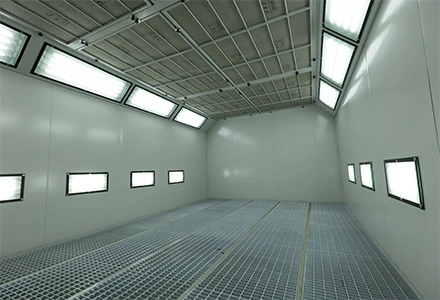
Transitioning to waterborne paints necessitates specific upgrades to your spray booth to facilitate the unique properties of these materials. Firstly, the airflow system must be optimized to manage higher humidity levels that often accompany waterborne paint application. Upgrading your booth’s ventilation system to include enhanced humidity control can prevent moisture-related issues like sagging or running paint.
Secondly, consider installing advanced filtration systems designed specifically to handle the makeup of waterborne coatings. Unlike solvent-based systems, waterborne paints may require different types of filters to effectively capture particles and overspray. Moreover, adding heated curing systems can accelerate drying times, further enhancing operational efficiency.
Lastly, the rejuvenation of your booth may require the integration of robotic spraying systems capable of precise and consistent application of waterborne materials. These advancements ensure both quality and efficiency, keeping your production line competitive.
Understanding the financial implications of upgrading your spray booth is paramount. While initial investments in modernizing your equipment may appear substantial, the long-term savings and compliance benefits can outweigh the upfront costs. For instance, integrating high-efficiency filters and automated systems can lead to significant savings in labor and material waste.
Let’s consider a comparative analysis: a traditional solvent booth incurs higher costs in terms of VOC emissions taxes and stricter waste disposal fees. In contrast, a state-of-the-art waterborne upgrade reduces both waste and operating expenses. According to industry estimates, businesses can recover their upgrade costs within three years through savings on materials and compliance penalties.
When considering how to upgrade, businesses often face the choice between retrofitting existing booths or investing in new installations. Retrofitting can be less expensive and quicker, allowing companies to adapt their equipment for waterborne paints without a complete overhaul. However, it may not provide the full range of functionalities that cutting-edge new installations offer.
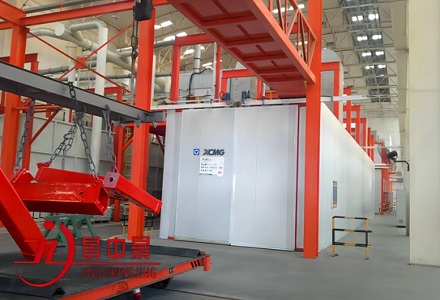
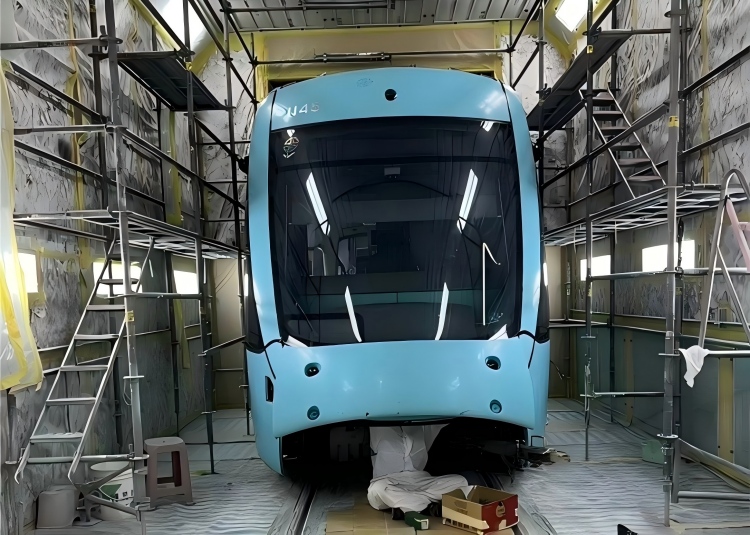
For example, Jiangsu Jingzhongjing Industrial Paint Equipment Co., Ltd. specializes in this sector, providing retrofitting options alongside new booth solutions. Their systems include automated painting lines specifically optimized for waterborne technologies, supporting industries from automotive to aerospace.
Ultimately, the right choice depends on a variety of factors such as budget, production volume, and long-term growth plans. A thorough analysis and consultation with experts can guide this decision-making process effectively, ensuring you invest wisely in your business's future.
Beyond compliance, the transition to waterborne paints presents numerous long-term advantages. Enhanced product quality and lower environmental impact can significantly boost your brand’s reputation. Customers are increasingly inclined to support eco-friendly brands, and adopting waterborne technologies could give you a competitive edge in the market.
Additionally, utilizing waterborne paints can lead to lower insurance costs, as these paints are generally classified as non-flammable, reducing liabilities associated with storage and usage. The workforce also benefits as a result of improved health and safety conditions associated with lower VOC emissions. Enhanced air quality translates into fewer health issues and higher overall employee satisfaction, further contributing to a productive work environment.
In conclusion, the shift to waterborne paints and the consequent upgrades to your spray booth are not just compliance measurements. They represent a commitment to excellence and innovation. Planning your transition today with recognized experts like Jiangsu Jingzhongjing can set the stage for your success in the evolving market of industrial coatings.
Conclusion: The upcoming 2026 regulations surrounding waterborne paints present a pivotal moment for businesses in the industrial painting sector. With the right upgrades and investments, companies can ensure compliance while reaping the rewards of enhanced operational efficiency and product quality. For personalized advice or to explore our comprehensive range of spray booths and coating solutions, don't hesitate to reach out to us at Annie@jzj-spraybooth.com or call us at 19951065399. Together, let’s paint a sustainable future.