CN
CN
Phone:
19951065399
WHAT ARE YOU LOOKING FOR?
Maintaining a pristine finishing environment while satisfying strict environmental regulations is a continuous challenge for modern industrial coating operations. Selecting and servicing the correct filter media is not merely a matter of keeping dust off a fresh coat of paint; it is a critical baseline for operational safety, regional emission compliance, and equipment longevity. For facility managers aiming to optimize their production lines, mastering the fundamentals of spray booth filtration is the first step toward reducing costly downtime and avoiding heavy regulatory fines.
When optimizing a finishing line, working with experienced paint booth filters manufacturersensures that your media matches your specific particulate breakdown. Whether your facility operates high-volume automotive lines or handles heavy industrial equipment, understanding how air moves through your cabin fundamentally changes your operational efficiency.
Every compliance framework governing industrial painting operations centers around protecting the technician inside the cabin and preventing hazardous emissions from escaping into the atmosphere. Spray booth filters serve as the mechanical barriers that make both goals possible. When a technician triggers a spray gun, a significant percentage of the coating material becomes overspray.
To achieve compliance, your system must address the following criteria:
Technician Safety: Capturing airborne particulates instantly to maintain clear visibility and clean breathing zones within the cabin.
Emission Control: Preventing toxic volatile organic compounds (VOCs) and solid matter from escaping into the local environment.
Arrestance Efficiency: Utilizing certified exhaust media engineered by leading paint booth filters manufacturers to capture at least 98% of airborne overspray.
While exhaust filtration focuses on environmental compliance, intake filtration directly dictates the final quality of your product. For facilities utilizing high-efficiency automotive spray booth filters, the intake media acts as the first line of defense against ambient shop dust, lint, and micro-particulates. If the intake air is poorly filtered, atmospheric contaminants will settle directly into the wet paint film, causing surface defects like fish-eyes, seeding, and micro-craters. These flaws force teams into expensive, time-consuming buffing, sanding, and re-work cycles.
Intake filtration configurations generally rely on diffusion media mats or pocket filters rated under international standards such as MERV 11 to MERV 14. These progressive-density media structures hold a high volume of dust while maintaining a low initial pressure drop. When sourcing from reputable paint booth filters manufacturers, look for tackified media. Tackification involves treating the fiber matrix with a specialized, non-migrating adhesive that permanently traps microscopic dust particles, preventing them from breaking loose due to continuous vibration or sudden airflow surges.
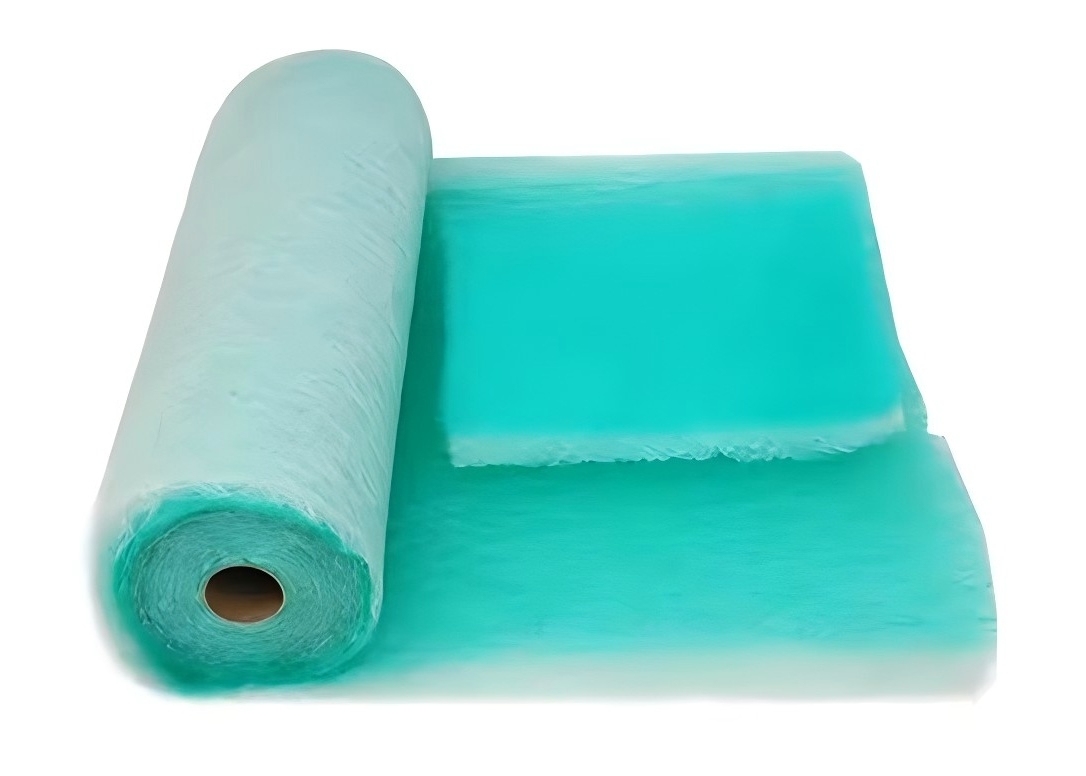
Exhaust filtration is where operational productivity directly intersects with environmental law. The primary objective here is capturing sticky paint overspray before it coats the exhaust fan blades, ductwork, and stack. Clogged fan blades alter the static pressure of the entire system, disrupting the balanced airflow required for a safe working environment. More importantly, uncaptured particulates released into the open air result in severe regulatory citations and community complaints.
Facilities can choose from several types of exhaust media, including fiberglass pads, expanded paper layers, and synthetic polyester mats. For heavy production environments, multi-stage exhaust systems are highly recommended. A typical compliant setup utilizes a high-capacity fiberglass or paper pre-filter to catch the bulk of the wet overspray, followed by a secondary synthetic pocket filter to trap finer, dry dust particles. Leading global paint booth filters manufacturers engineer these multi-stage configurations to yield optimal target arrestance efficiencies, extending the service life of your primary filters and ensuring continuous adherence to clean air standards.
Selecting the right combination of automotive spray booth filters requires a data-driven approach. Facility managers must look past the initial purchase price and carefully evaluate key performance indicators like dust-holding capacity, pressure drop, and structural longevity to avoid frequent maintenance downtime and increased energy consumption.
The following comparison table outlines the performance attributes and compliance roles of the standard filter media categories utilized in industrial configurations:
| Filter Type & Media Category | Primary Compliance Role | Average Efficiency Rating | Typical Service Lifespan |
|---|---|---|---|
| Tackified Ceiling Diffusion Mats | Laminar intake airflow & surface defect prevention | High (MERV 11 - 14) | 1,200 to 1,500 Operating Hours |
| Fiberglass Exhaust Pads | Primary overspray capture & fan blade protection | Moderate (90% - 95% Arrestance) | 40 to 60 Operating Hours |
| Multi-Layer Expanded Paper | High-capacity industrial pre-filtration | High (96% - 98% Efficiency) | 80 to 100 Operating Hours |
| Synthetic Secondary Pockets | Micro-particulate exhaust filtration | Very High (MERV 15+) | 400 to 600 Operating Hours |
| Activated Carbon Filters | Volatile Organic Compound (VOC) abatement | Vapor Adsorption Phase | Variable (Based on VOC PPM load) |
Purchasing certified media from recognized paint booth filters manufacturers is only half the battle; maintaining those filters through a disciplined, data-backed protocol is what guarantees long-term compliance.
A standard maintenance protocol should mandate the following practices:
Monitor Manometers: Use a properly calibrated magnehelic gauge or digital manometer to track differential pressure rather than relying on visual inspections.
Log Daily Pressure: Record the cabin's static pressure drop daily. When resistance across a filter bank hits its terminal limit, airflow drops below legally mandated safety velocities.
Inspect Seals Periodically: Check filter frames and gaskets regularly to prevent contaminated air from bypassing the media.
Schedule Scheduled Replacements: Replace your automotive spray booth filters at precise engineered intervals to keep your ventilation system running efficiently and minimize energy consumption.
Navigating the complexities of spray booth filtration requires balancing high surface quality with strict environmental safety standards. By understanding the distinct roles of intake and exhaust media, monitoring pressure drops scientifically, and avoiding low-grade, uncertified materials, your facility can maintain consistent compliance while cutting daily operating costs. Investing in a premium filtration strategy ultimately protects your technicians, your finishing quality, and your bottom line.
As an established leader in the surface treatment industry, Jiangsu Jingzhongjing Industrial Painting Equipment Co., Ltd. (JingzhongJing Group) brings over twenty years of engineering expertise to the global market. Operating from a world-class 120,000 square meter production facility, we specialize in manufacturing complete, highly efficient, green spray booth infrastructure and integrated industrial custom lines. Our systems feature advanced airflow engineering and premium environmental filtration setups designed to meet the toughest regulatory requirements. Contact our technical team today to design your compliant finishing system.
Operating with clogged filters restricts required ventilation airflow, causing hazardous paint overspray to cloud the cabin. This creates an unsafe environment for the technician, increases fire risks, and causes particulate blow-through that vents unfiltered emissions into the atmosphere.
Primary fiberglass exhaust pads should be changed every 40 to 60 operating hours. High-capacity expanded paper filters typically last 80 to 100 hours, while heavy-duty tackified ceiling diffusion intake mats should be replaced every 1,200 to 1,500 hours.
A magnehelic gauge measures the differential static pressure between the inside of the cabin and the outside atmosphere. Monitoring this pressure drop tells operators exactly how loaded the filter media is, providing an objective data point for changing filters before airflow drops below legal limits.
No, industrial spray booth filters are strictly designed for single use. Attempting to clean the media destroys the delicate fiber matrix and releases trapped hazardous particulates back into the facility, completely voiding the filter’s certified efficiency ratings.
Standard mechanical intake and exhaust filters only trap solid particulates and wet paint droplets; they cannot capture gaseous Volatile Organic Compounds. Abating VOC vapors to satisfy strict air-quality laws requires routing the post-filtered exhaust air through a secondary activated carbon adsorption bank or a dedicated thermal oxidizer system.