CN
CNPhone:
19951065399

WHAT ARE YOU LOOKING FOR?
A perfectly finished wooden surface is rarely achieved by paint alone. In many woodworking facilities, the difference between an average coating result and a premium finish comes from what happens around the painting process — how dust is controlled, how the workpiece is positioned, and how stable the finishing environment remains from one project to the next.
As furniture, cabinet, and custom wood product manufacturers face higher expectations for surface quality, traditional open-area painting methods can become difficult to manage. Small particles, uneven airflow, and inconsistent working conditions may lead to visible defects, additional refinishing work, and unnecessary production delays.
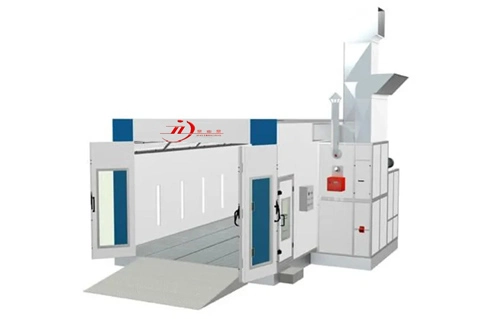
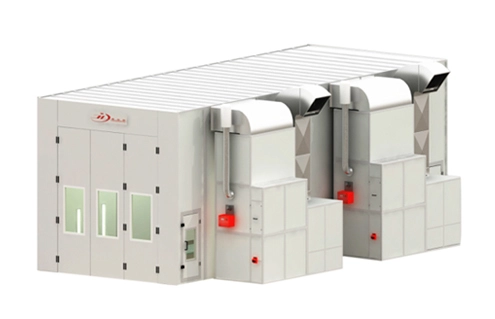
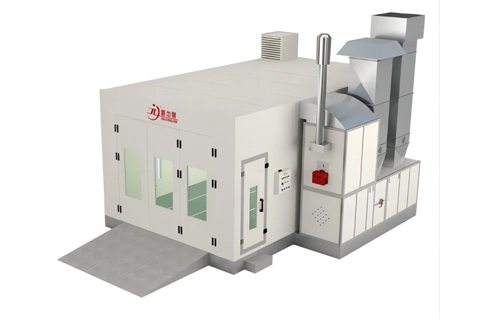
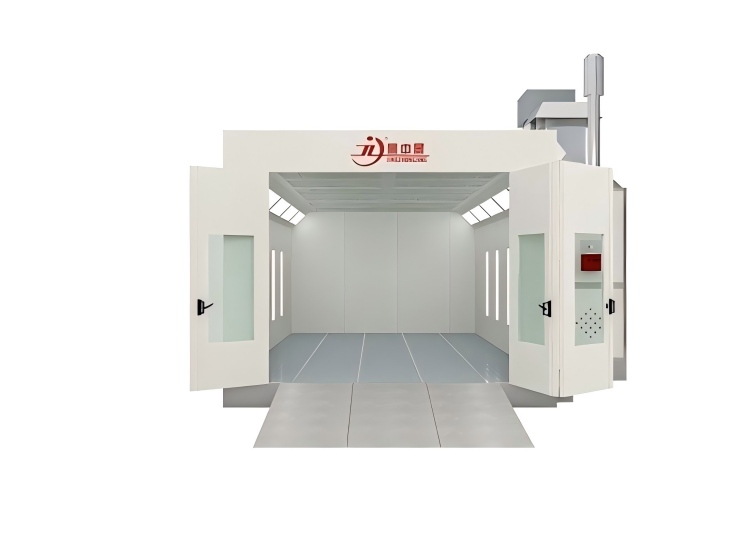
This is why more manufacturers are paying attention to the role of a dedicated woodworking paint booth. Rather than treating the booth as simply an enclosed painting area, companies are using it as part of a complete finishing process that supports cleaner surfaces, better coating control, and more predictable production results.
Choosing the right wood paint booth, however, requires more than selecting equipment based on size. The ideal solution should match the type of wood products being finished, the coating requirements, and the way materials move through the workshop. JSJZJ Spray Booth provides spray booth solutions designed to meet different woodworking applications and production needs.
Every woodworking operation has its own finishing challenges. A manufacturer producing luxury furniture may focus on achieving a flawless surface appearance, while a cabinet producer may prioritize repeatability and production speed. These differences directly influence what type of woodworking paint booth will deliver the best results.
Wood is a material that highlights imperfections easily. Unlike some industrial components where minor surface variations may be less noticeable, furniture panels, cabinet doors, and decorative wood products often require a smooth and visually consistent finish. Dust particles, uneven paint distribution, or unstable drying conditions can significantly affect the final appearance.
A dedicated wood paint booth creates a more controlled environment where manufacturers can better manage these variables. By separating the finishing process from general workshop activities, the booth helps reduce contamination risks and provides more stable conditions for coating application.
Before investing in a spray booth, manufacturers should consider several practical questions. What types of wood products are being painted? How large are the workpieces? Are coatings applied occasionally or every day? Does the production process require manual spraying or a more organized workflow? The answers to these questions determine the most suitable booth configuration.
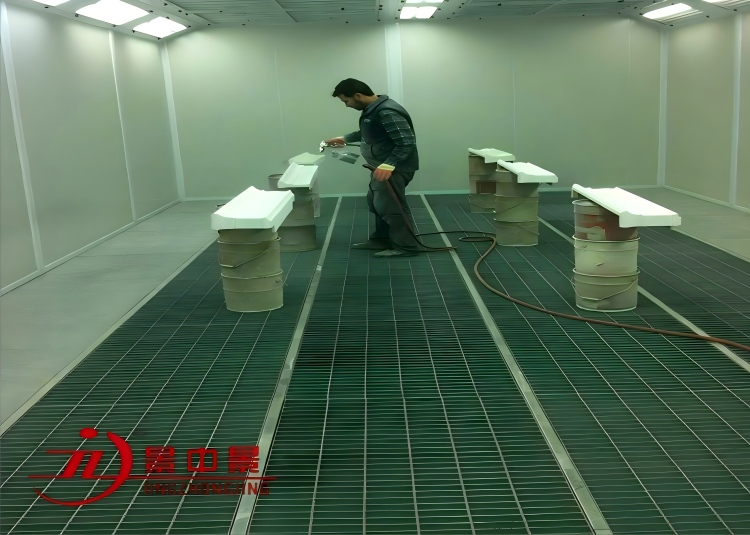
The best painting environment depends largely on the products being finished. A woodworking paint booth used for furniture production may have different requirements compared with one used for cabinets, wooden doors, or custom architectural products.
Furniture manufacturers usually place strong emphasis on appearance. Dining tables, chairs, wardrobes, and decorative pieces often require smooth coatings with minimal surface imperfections. In these applications, controlling dust and maintaining stable airflow are important parts of achieving a professional finish.
Cabinet production presents a different set of priorities. Since many cabinet components are produced in repeated batches, manufacturers need a finishing process that delivers consistent results while maintaining production efficiency. A properly arranged wood paint booth can help create a more organized workflow for handling panels, doors, and other cabinet parts.
For custom wood products, flexibility becomes increasingly important. Some manufacturers may work with different materials, sizes, and finishing styles within the same facility. A suitable booth should allow operators to adapt to changing product requirements without interrupting the overall production process.
Companies evaluating different equipment options can explore the available spray booth solutions from JSJZJ Spray Booth to better understand how different configurations can support various woodworking applications.
For woodworking applications, the painting environment can be just as important as the coating material itself. A high-quality finish requires more than skilled spraying techniques; it also depends on maintaining suitable airflow and cleanliness throughout the process.
Inside a wood paint booth, airflow is designed to move paint mist away from the workpiece while helping prevent airborne particles from settling on freshly coated surfaces. This is especially important when working with smooth finishes where even small imperfections can become visible after drying.
Filtration is another critical part of booth performance. During spraying, overspray particles need to be captured effectively to maintain cleaner working conditions. The right filtration approach depends on factors such as coating type, production volume, and the desired finish quality.
| Painting Environment | Main Challenges | Typical Application |
|---|---|---|
| Open Workshop Painting | Limited control over dust, airflow, and paint mist | Small projects or occasional finishing work |
| Wood Paint Booth | Requires proper sizing and regular maintenance | Furniture, cabinets, and regular woodworking production |
| Industrial Woodworking Paint Booth | Designed around organized production workflows | Manufacturers requiring consistent finishing results at higher output levels |
For woodworking manufacturers, airflow and filtration should be evaluated together with product requirements. A booth that creates the right balance between air movement, cleanliness, and operational convenience can significantly improve the overall finishing process.
The size of the products being painted is one of the first factors that should influence woodworking paint booth planning. A booth designed for small furniture components may not provide enough flexibility for large panels, wooden doors, or oversized custom products.
Effective layout planning starts with understanding how products move through the facility. Manufacturers need to consider where materials are loaded, where operators work, how finished products are transferred, and whether the booth connects smoothly with preparation and drying areas.
For example, a company producing long wooden panels may benefit from a different booth arrangement than a furniture manufacturer working with smaller components. The goal is not simply to maximize booth size but to create a workspace where products can move efficiently without unnecessary handling.
A well-planned wood paint booth should also leave enough room for cleaning and maintenance activities. Easy access to filters, ventilation components, and internal surfaces helps maintain stable performance over time.
In woodworking production, consistency is often the difference between a successful finishing process and repeated correction work. When environmental conditions change from one batch to another, maintaining the same coating quality becomes much more difficult.
A properly matched woodworking paint booth provides a more predictable environment for spraying operations. Stable airflow, controlled cleanliness, and organized workpiece movement allow operators to repeat the same finishing process more reliably.
This consistency has practical business value. Fewer surface defects mean less time spent on repairs, fewer wasted materials, and smoother production schedules. For manufacturers handling regular orders, these improvements can have a direct impact on overall efficiency.
Investing in a wood paint booth is therefore not only about improving the painting area. It is about creating a more dependable production process where finishing quality can be maintained as output increases.
Even the most suitable woodworking paint booth requires proper care to continue performing effectively. Over time, paint residue, dust accumulation, and filter loading can influence airflow and finishing conditions.
Regular cleaning helps keep the interior environment suitable for coating applications, while scheduled inspection of filtration components allows potential problems to be identified before they affect production.
Manufacturers should also pay attention to changes in booth performance. Reduced airflow, increased overspray buildup, or declining finish quality may indicate that certain components require maintenance or adjustment.
Because each woodworking operation has different products, production volumes, and workspace conditions, professional advice can help identify a more suitable solution. Companies looking for assistance with booth selection or application requirements can connect with JSJZJ Spray Booth through direct consultation with the technical team.
Selecting a woodworking paint booth is not simply a matter of choosing a piece of painting equipment. The right solution depends on the relationship between the wood products being finished, the required surface quality, and the way materials move through the production process.
Furniture manufacturers, cabinet producers, and custom woodworking businesses all face different finishing challenges. A properly matched wood paint booth provides better control over airflow, cleanliness, and workflow, helping create more consistent results while improving production stability.
By considering application requirements, booth design, and long-term operating needs, woodworking companies can build a finishing environment that supports both product quality and efficient manufacturing.
A woodworking paint booth provides better control over dust, airflow, and overspray, creating more stable conditions for achieving consistent finishing results.
A wood paint booth can be used for furniture, cabinets, wooden doors, panels, and other wood products requiring controlled coating conditions.
Proper airflow helps remove paint mist and reduce airborne contamination, which helps protect the appearance of freshly coated wood surfaces.
Important factors include product dimensions, production volume, coating requirements, available installation space, and workflow design.
Regular cleaning, filter inspection, and airflow checks help maintain reliable operation and extend the service life of the booth.
Yes. With proper planning, a suitable booth configuration can support multiple woodworking applications with different product sizes and finishing requirements.